
Company GHG inventory
Measure direct sources, purchased energy and value-chain emissions with data ownership, baseline and performance dashboard.
We develop traceable carbon footprints for companies, projects and products, identify GHG sources and hotspots, then integrate embodied carbon into design-option comparison, specifications, procurement and construction and as-built reporting.
We select boundaries and methods around the decision while maintaining clear separation that prevents confusion or double counting between corporate, project and product footprints.
Measure direct sources, purchased energy and value-chain emissions with data ownership, baseline and performance dashboard.
Calculate a footprint with a clear boundary and functional or reference unit for comparison, communication and decisions.
Use quantities, materials, options and product data to identify hotspots and set a carbon budget and design review gates.
Connect procurement, supply, transport, equipment, energy, changes and records with construction and as-built calculations.
We connect every result with scope, data source, emission factor, assumption and owner, then convert hotspots into deliverable reduction options.
Included entities, sites, stages and sources are uncertain, weakening comparison and performance tracking.
Energy, fuel, procurement, material, transport and waste data sit across systems and parties without common definitions or ownership.
Emission factors or proxies are used without a controlled record of source, year, unit, conversion and quality.
Analysis begins after materials and quantities are fixed, missing opportunities to influence design, specifications and procurement.
Calculations are not updated for changes, suppliers, actual quantities, transport, energy and equipment during construction.
Percentages or claims may not align with baseline, boundaries, method, evidence and the role of offsets where relevant.
Scope is shaped around the client decision: company performance, design comparison, material choice, tender, sustainability report or project handover.
Fix purpose, boundary, period, units, categories and responsibilities before calculation.
Measure emissions across operations, energy and value chain according to the agreed scope.
Calculate a footprint around a clear unit, stage and boundary suitable for comparison.
Integrate carbon into material, system, procurement and delivery decisions.
Turn results into initiatives, indicators and a transparent review pack.
Accuracy and permitted use are agreed before calculation; results change with data quality and design and construction development.
Confirm footprint type, audience, boundaries, period, unit and accuracy level.
Identify activities, materials, stages, categories, systems and data-owning parties.
Standardise units and check completeness, periods, invoices, quantities, evidence and gaps.
Apply factors and equations and record sources, assumptions, exclusions and data quality.
Identify hotspots, trends, sensitivity and design, material and construction options.
Develop initiatives, owners, indicators and design, procurement and construction requirements.
Issue results and evidence pack, hand over update tools and support separate independent review or verification if requested.
A company, group or multi-site footprint with baseline, categories, indicators and reduction roadmap.
A defined-boundary calculation supporting a decision, comparison, client requirement or disclosure.
Carbon budget, option comparison and reviews at design-development gates.
Coordinate supplier, quantity, transport, energy, equipment and change data through handover.
Review boundaries, data, factors, model and results before communication or external verification.
Where needed, we coordinate data providers, laboratories, material and life-cycle specialists and qualified providers, while independent verification or assurance is delivered by a separate party agreed by the client.
Where required, we collaborate with specialist providers listed among the environmental service agencies qualified by the National Center for Environmental Compliance, subject to qualification field and project requirements.
View the official listWe collaborate with environmental consulting offices and specialists listed in the official accreditation registers of the Ministry of Environment and the Egyptian Environmental Affairs Agency, subject to field, registration validity and project requirements.
View the accreditation registerExperience is presented at a high level to protect client identity and sensitive quantity, cost, energy and emissions data.
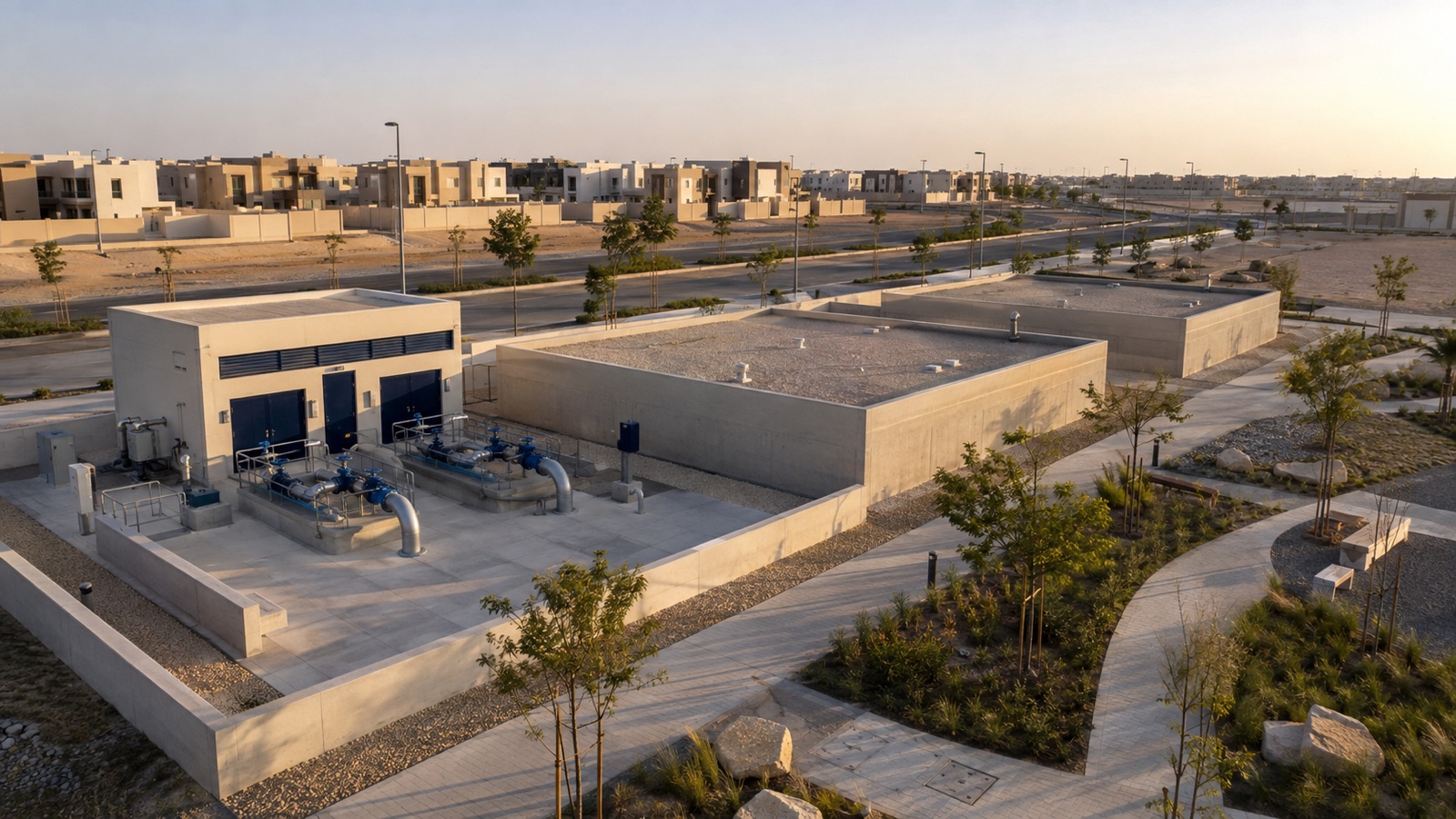
Environmental oversight for water-storage and pumping assets serving a large residential community.
View experience →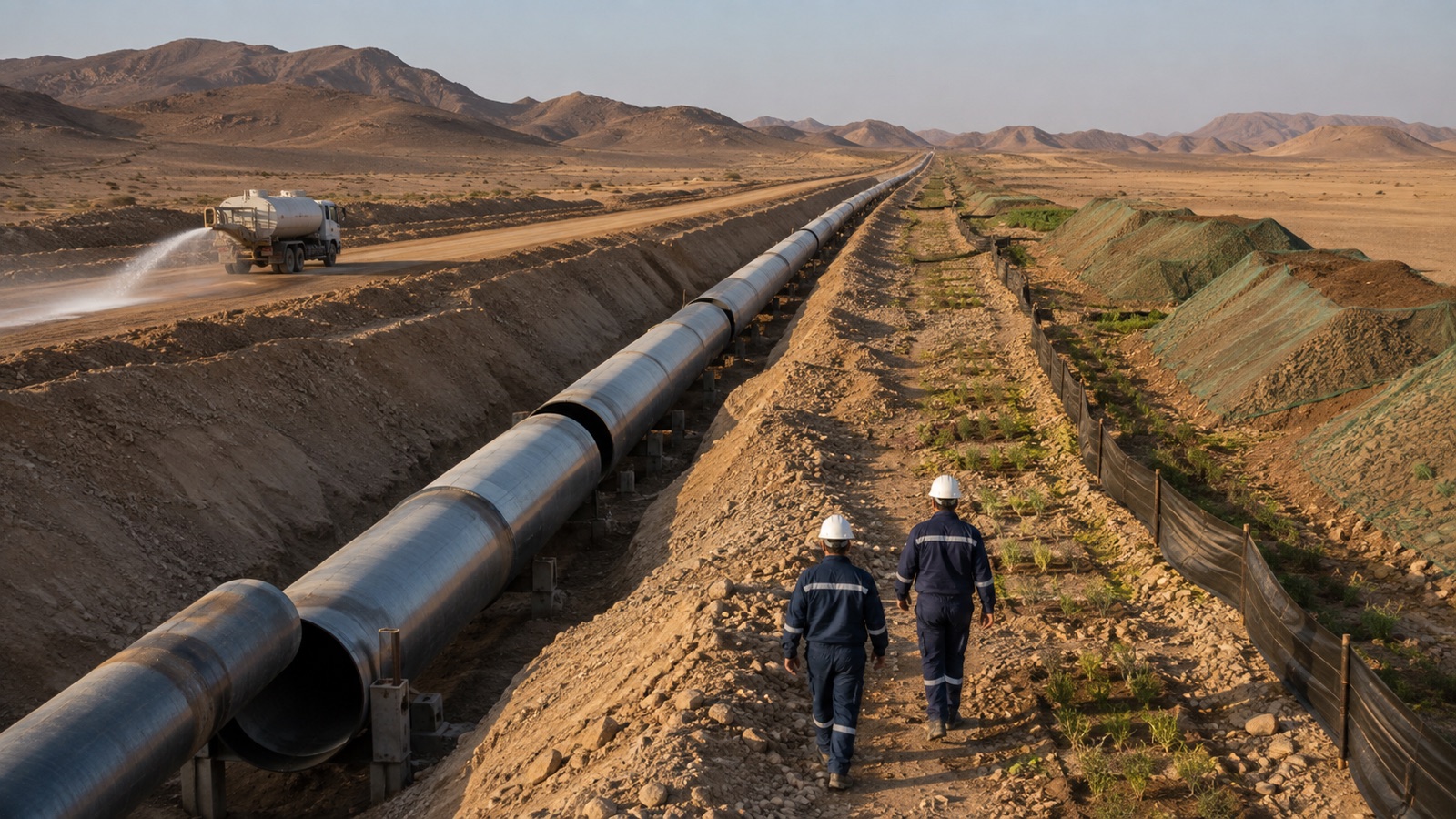
Environmental risk and compliance management across long linear construction corridors.
View experience →
Systematic environmental oversight aligned with national and international requirements.
View experience →CFP describes a carbon footprint within defined boundaries for a company, project or product according to its purpose; a GHG inventory organises emission sources and categories; embodied carbon focuses on material, product and construction impacts across agreed stages.
They organise emissions into direct sources owned or controlled by the organisation, purchased energy and other value-chain emissions according to applicable boundaries and categories.
It commonly includes fuel, electricity, energy, vehicles, refrigeration, procurement, transport, travel and waste according to applicable categories and company boundaries.
Design quantities, materials and systems are used to compare options, identify hotspots and establish a carbon budget, with calculations updated at design-development gates.
Yes. Documented proxy data can support early stages with quality and uncertainty stated, then be replaced with better supplier or product data during procurement.
It can include transport, equipment, energy, water, temporary materials, waste and change according to project boundaries and available data.
We fix the purpose and boundaries of each calculation, map company, project and supplier relationships and periods, and document use so incompatible results are not combined.
No. We prepare and review the calculation, method and evidence. Separate independent verification can be supported if required.
Yes. We identify hotspots, compare options and build a reduction roadmap connected with design, procurement, operation, ownership and indicators.
They depend on footprint type, boundaries, period, site or product count, material-detail level, data quality, comparisons and reporting. A clear scope and fee are then provided.
Share the calculation type, boundary, stage and available data, and we will suggest a practical method and scope.