
Avoid burden shifting
A lifecycle view shows whether reducing manufacturing impact increases energy, water, waste or another impact during use or end of life.
We build traceable LCA studies that help companies, manufacturers, designers and construction teams compare alternatives on an equivalent function and boundary, understand hotspots across materials, energy, transport, use and end of life, and turn results into implementable design, procurement and impact-reduction decisions.
We connect the model with the commercial or engineering question to be resolved and document boundaries, data and assumptions so results can be understood and used in context.
A lifecycle view shows whether reducing manufacturing impact increases energy, water, waste or another impact during use or end of life.
Materials and systems are compared on equivalent function, boundary, period, performance and scenarios rather than incompatible headline numbers.
Hotspots become requirements for materials, suppliers, data, specifications and design, sourcing and construction decisions.
Data, method and evidence are organised to support a later EPD, CFP or independent review route without treating the study itself as a declaration or verification.
We fix the decision question, unit, boundary and data rules before calculation, then expose hotspots and uncertainty so a single number does not drive a misleading choice.
Climate change is important, but it can hide other potential impacts connected with energy, water, resources and emissions under the selected method and impact categories.
Modelling starts before intended use, audience, functional or declared unit and included stages are fixed, leaving results without a clear meaning.
Supplier data, measurements, averages, databases and proxies are combined without assessing temporal, geographical and technological representativeness.
A material or technology is compared with another despite different function, life, performance, system boundary or end-of-life scenario.
Assessment is completed after design, specification and contracts are fixed, when the highest-value reduction opportunities are harder or more costly.
Assumptions, exclusions, allocation, factor sources and sensitivity are not recorded, preventing updates or credible use in an EPD, tender or claim.
Scope reflects intended use, study level, product or project, stage, data and applicable sector or EPD-programme requirements.
Fix what the study will support and how it will be built before requesting detailed quantities.
Build documented input and output flows for every included process.
Translate the inventory into impact indicators suited to the study question and method.
Test what drives the result and whether the decision holds under key assumptions.
Convert the model into requirements, decisions and an updateable or reviewable pack.
The level of detail, LCIA method, databases and EPD route are not selected until purpose, sector, data and intended-use requirements are confirmed.
Define why the study is being commissioned, who will use it and which decision, claim or requirement it should support.
Approve the unit, boundary, stages, geography, period, data-quality, comparison and review requirements.
Issue consistent templates and review units, periods, sources, completeness and representativeness.
Connect flows with processes and stages and document allocation, exclusions, proxies and calculation rules.
Apply the agreed LCIA method and produce analysable results by stage, material and process.
Check completeness, consistency and sensitivity, identify hotspots, compare scenarios and develop reduction options.
Issue the report, model and evidence register and support critical review or a separate EPD route when the intended use requires it.
An early model identifying priority data, hotspots and decisions before investing in a full study.
An equivalent-function and boundary comparison supporting selection of a material, system, supplier or scenario.
Inventory, impact assessment, interpretation and technical report under the agreed goal and scope.
Assess the lifecycle of an asset or selected parts and connect it with quantities, design, procurement, construction, operation and end of life.
Assess gaps and prepare data, method and technical files under the relevant PCR and EPD programme, while verification and publication remain independent.
A study may require supplier data, testing, licensed databases or sector expertise, while an EPD route requires product-category rules, a programme and independent review or verification as applicable.
We coordinate manufacturers, suppliers, laboratories, database providers and technical specialists to obtain data suited to the product, location, period and technology, without implying a pre-existing partnership or accreditation.
We review relevant product-category rules and programme requirements and prepare the technical pack for an independent reviewer or verifier. Declaration acceptance, verification and publication remain with those independent parties.
Review ISO 14025:2026The following cases show related founder experience that supports understanding of design, materials, construction and operation; they are not represented as delivered LCA studies unless explicitly stated.
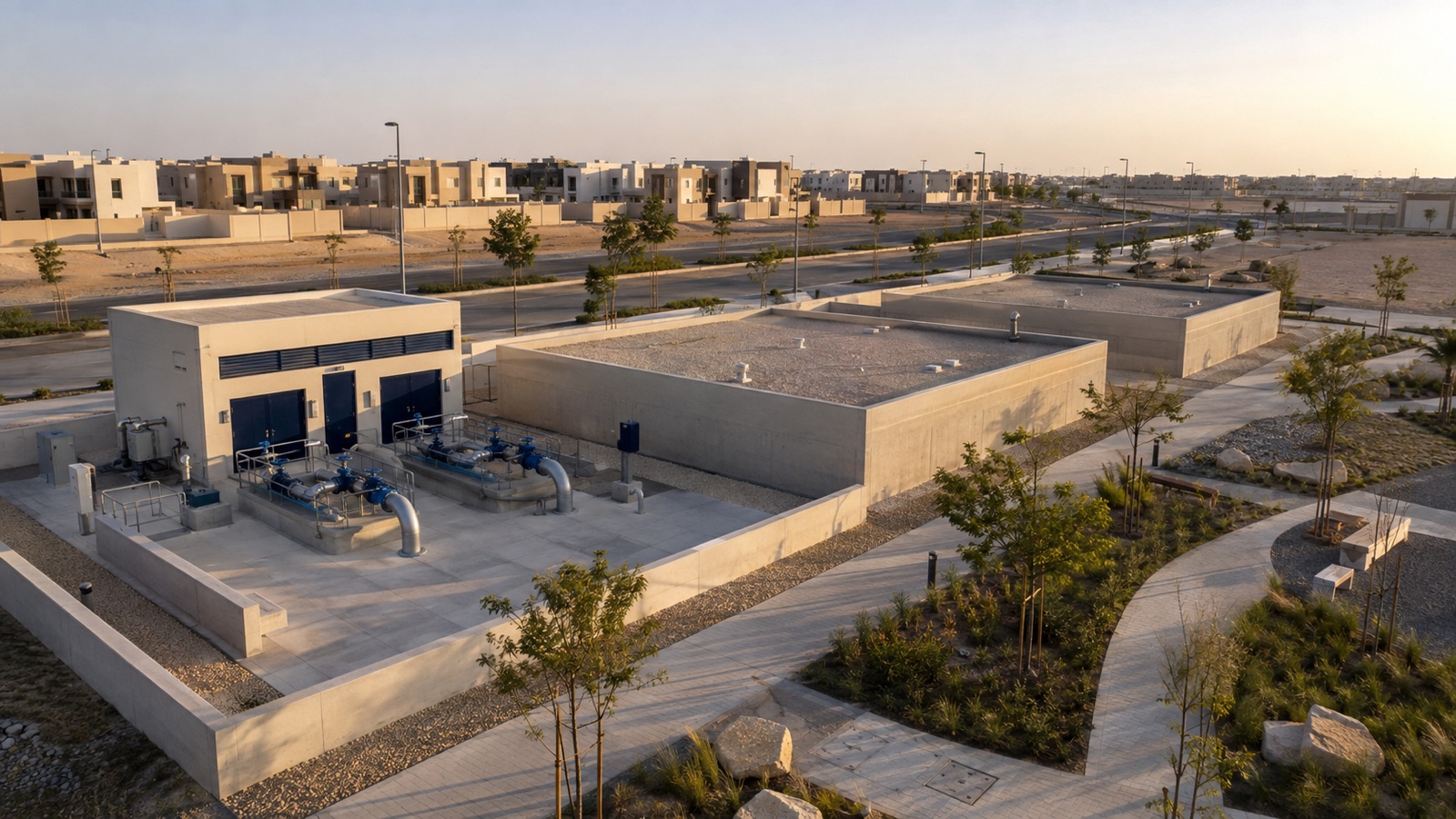
Environmental oversight for water-storage and pumping assets serving a large residential community.
View experience →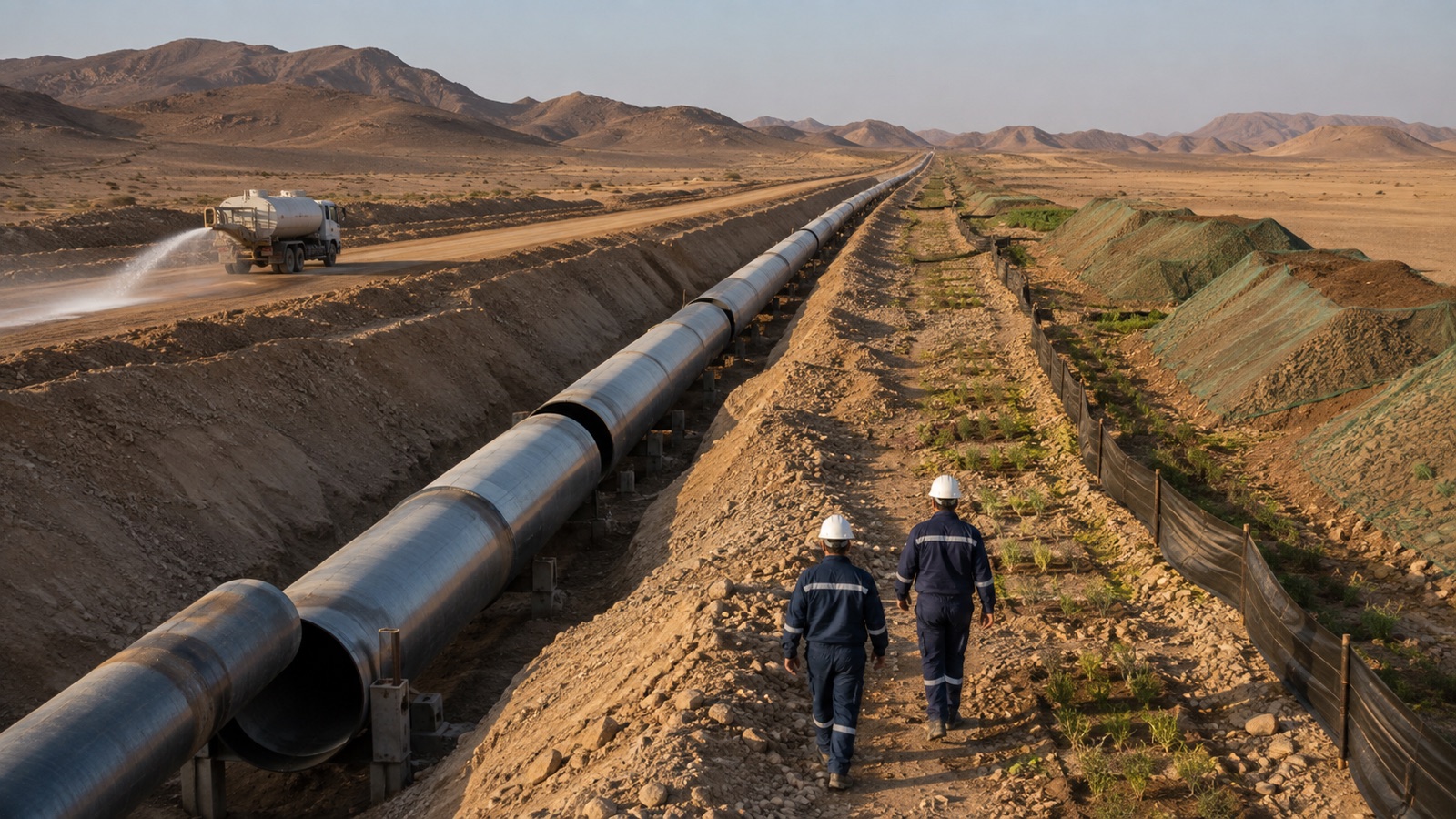
Environmental risk and compliance management across long linear construction corridors.
View experience →
Environmental and compliance support for modern wastewater-treatment infrastructure.
View experience →It is a structured method for assessing inputs, outputs and potential environmental impacts of a product, material, service or asset across a defined lifecycle boundary—from goal and scope through inventory, impact assessment and interpretation.
LCA may cover multiple impact categories, while a CFP under ISO 14067 addresses climate change only. Embodied carbon commonly focuses on emissions from materials, products, construction and selected asset lifecycle stages under agreed boundaries.
Cradle-to-gate covers stages up to the product leaving the factory under the defined boundary. Cradle-to-grave generally extends through use and end of life. Other partial boundaries can be used when justified by the study goal and reported transparently.
A functional unit describes the reference function and performance to which flows and results relate, supporting comparison. A declared unit is a defined product quantity used when full function cannot be established within the scope and may not by itself support a fair comparison.
Yes. Documented secondary data or proxies can support early stages, with quality and uncertainty assessed and a plan to replace them with more representative data when available.
A comparison can be developed when function, boundary, performance, data and method are equivalent. Comparative assertions intended for public disclosure may require independent critical review and additional requirements, so intended use must be fixed at the start.
No. LCA is an important technical basis, but an EPD needs applicable Product Category Rules, programme requirements, preparation, verification and publication steps. We can support readiness and coordination; review, verification and publication remain independent decisions.
ISO 14040 and ISO 14044 provide the general LCA basis. ISO 14067 may apply to a product carbon footprint, ISO 14025:2026 to Type III declarations, ISO 21930 to construction-product and service EPDs, and ISO 14071:2024 to critical review, alongside applicable PCR, programme and sector methods.
Tools and databases are selected for the purpose, sector, geography, period, licence, representativeness and reviewability. Software alone does not guarantee the quality of the model, data or result.
They depend on purpose, boundary, products or alternatives, processes and stages, impact categories, data quality, supplier coordination, scenarios and any review or EPD route. A clear scope, programme and fee follow initial screening.
Share the product or asset, stage, alternatives, audience and available data, and we will suggest a practical study boundary and level.