
Monitoring not linked to obligations
Parameters and frequency do not reflect permit conditions, study commitments or actual site risk.
We design and review monitoring programmes around obligations, risk and project stage, coordinating specialist measurement, quality control and interpretation so evidence is traceable and useful for decisions.
We connect every measurement to a requirement, location, method, trigger and response, avoiding data collection that does not serve compliance or risk management.
Parameters and frequency do not reflect permit conditions, study commitments or actual site risk.
Monitoring points, timing or methods do not represent impact sources and sensitive receptors.
Calibration, quality control, sample documentation or chain of custody is insufficient.
Reports contain extensive data without clear comparison to limits, baseline or alert levels.
Campaigns are reviewed separately, missing seasonal change, deterioration or improvement.
There is no clear process for validation, investigation, action and follow-up.
Components are selected around activity, source, impact pathway, sensitive receptor and applicable obligation.
Translate obligations and risk into a practical measurement matrix.
Prepare a clear technical scope for specialist providers and verify readiness.
Check completeness, validity and traceability before analysis.
Turn evidence into clear comparison and manageable indicators.
Connect abnormal results with validation, investigation, action and repeat measurement where needed.
Components and comparison limits are agreed before delivery to avoid data that cannot be interpreted or defended.
Confirm obligations, risks and the decision monitoring must support.
Select components, points, timing, methods and limits.
Coordinate the specialist provider, access, safety, equipment and forms.
Undertake measurements and surveys and document conditions, calibration and samples.
Check completeness, validity, traceability and deviations from plan.
Compare limits and baseline and assess trends and change drivers.
Track exceedances, actions and follow-up and issue a decision-useful report.
Define existing conditions before design, construction or operation.
A programme connected with sensitive activities, contractors and receptors.
Track performance, permit conditions and trends over time.
Focused measurement and analysis to assess cause, impact extent and follow-up.
Review another provider’s programme and results for method, quality and interpretation.
Where needed, we coordinate qualified measurement providers, laboratories and specialists according to environmental component, accreditation scope and project requirements.
Where required, we collaborate with specialist providers listed among the environmental service agencies qualified by the National Center for Environmental Compliance, subject to qualification field and project requirements.
View the official listWe collaborate with environmental consulting offices and specialists listed in the official accreditation registers of the Ministry of Environment and the Egyptian Environmental Affairs Agency, subject to field, registration validity and project requirements.
View the accreditation registerExperience is presented at a high level to protect client identity, data and sensitive results.
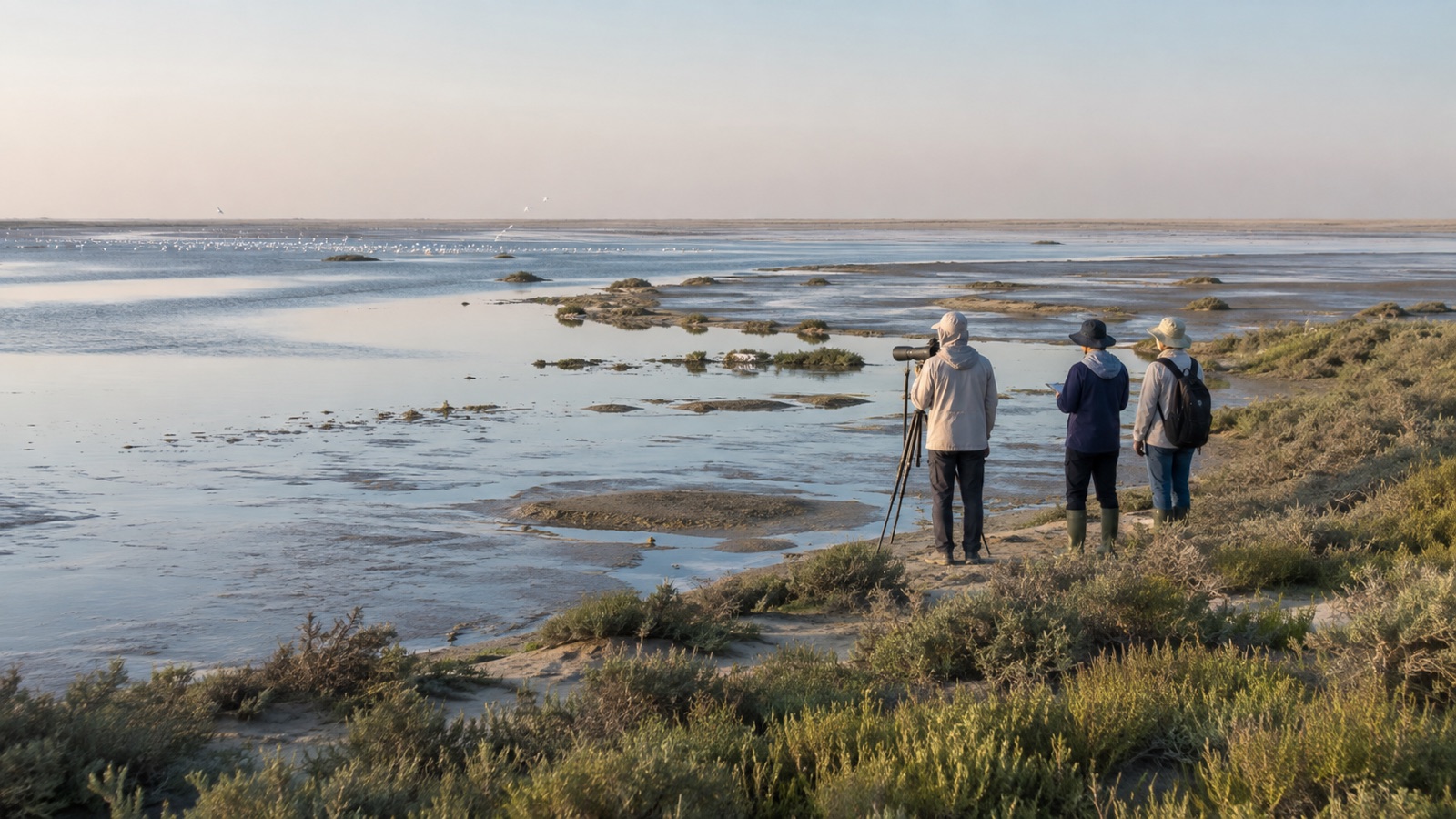
Environmental baseline and sensitivity assessment for a low-lying Gulf island environment.
View experience →
Environmental and compliance support for modern wastewater-treatment infrastructure.
View experience →
Systematic environmental oversight aligned with national and international requirements.
View experience →They may include air and emissions, noise and vibration, water, soil, biodiversity and coastal environments, according to project risk and requirements.
From impact sources, pathways, sensitive receptors, project stage, obligations and the trends that need to be detected.
We lead programme design, coordination, review and interpretation; specialist measurements are delivered through qualified providers or laboratories where required.
We review method, calibration, monitoring conditions, samples, chain of custody, metadata, QA/QC checks and departures from plan.
The result is validated first, then cause, source and risk are assessed and action, follow-up or repeat measurement is defined.
Yes. Method, completeness, quality, limit comparison and trend interpretation can be reviewed independently.
Yes. Data can be structured into indicators, trends and alerts for team and management follow-up.
It depends on activity, location, component and competent authority; applicable requirements are reviewed during scoping.
Yes. Arabic, English or bilingual reports can be agreed.
They depend on components, locations, frequency, seasons, methods, laboratory inputs, analysis and reporting. A clear scope and fee are then provided.
Share the location, activity, stage, conditions and available data, and we will suggest a review of components, points and frequency.