
Poorly defined study scope
Starting without a clear decision, project boundary or area of influence can produce substantial data that does not answer the questions that matter.
We design and review environmental studies around project type, stage and site sensitivity, turning field evidence and regulatory requirements into a clear impact assessment and practical management and monitoring measures.
We focus the study on questions that materially affect design, approval, programme and deliverability.
Starting without a clear decision, project boundary or area of influence can produce substantial data that does not answer the questions that matter.
Insufficient evidence for air, water, soil, noise, biodiversity or relevant social context reduces confidence in impact conclusions.
Failure to compare locations, technologies or delivery options early may increase cost and redesign risk.
A long impact list without a clear approach to likelihood, magnitude and sensitivity does not support management decisions.
Missing evidence or misalignment with the competent authority’s scope may trigger further questions and possible delay.
Generic recommendations without owners, timing or measurable indicators make the transition from study to implementation difficult.
Components and methods are selected around project type, site sensitivity and competent-authority requirements.
Define the study type, level of detail and questions to be answered before data collection begins.
Establish a defensible picture of existing conditions and identify evidence that must be completed.
Assess construction, operation and closure impacts and compare practicable alternatives.
Turn study findings into actions, responsibilities and indicators suitable for delivery and contracts.
Review or update existing studies and address technical comments within the agreed assignment.
Final contents are confirmed after screening and scoping; components that do not serve the project decision are not added.
Confirm activity, capacity, location, stage, programme and the decision the study must support.
Set study boundaries, sensitive receptors, evidence needs and required disciplines.
Review existing information and deliver agreed surveys and measurements through appropriate specialists.
Evaluate scenarios, impact sources, sensitivity and residual significance after mitigation.
Translate findings into contract-ready, implementable and measurable actions.
Review the draft with the client team and identified stakeholders and document responses.
Deliver the study and evidence pack and support technical responses within scope, without guaranteeing the authority’s decision.
Define the required study, methodology and evidence before procurement or mobilisation.
Design and manage an evidence programme for the environmental components relevant to the project.
Prepare an EIA or ESIA and associated management and monitoring plans to the agreed requirements.
Check quality and gaps, update an existing study or support responses to technical comments.
Measurements, surveys or regulatory submissions may require specialist and qualified providers; we coordinate the team around each study scope.
Where required, we collaborate with specialist providers listed among the environmental service agencies qualified by the National Center for Environmental Compliance, subject to qualification field and study requirements.
View the official listWe collaborate with environmental consulting offices and specialists listed in the official accreditation registers of the Ministry of Environment and the Egyptian Environmental Affairs Agency, subject to field, registration validity and study requirements.
View the accreditation registerExperience is presented at a high level to protect client identity, data and sensitive contractual information.
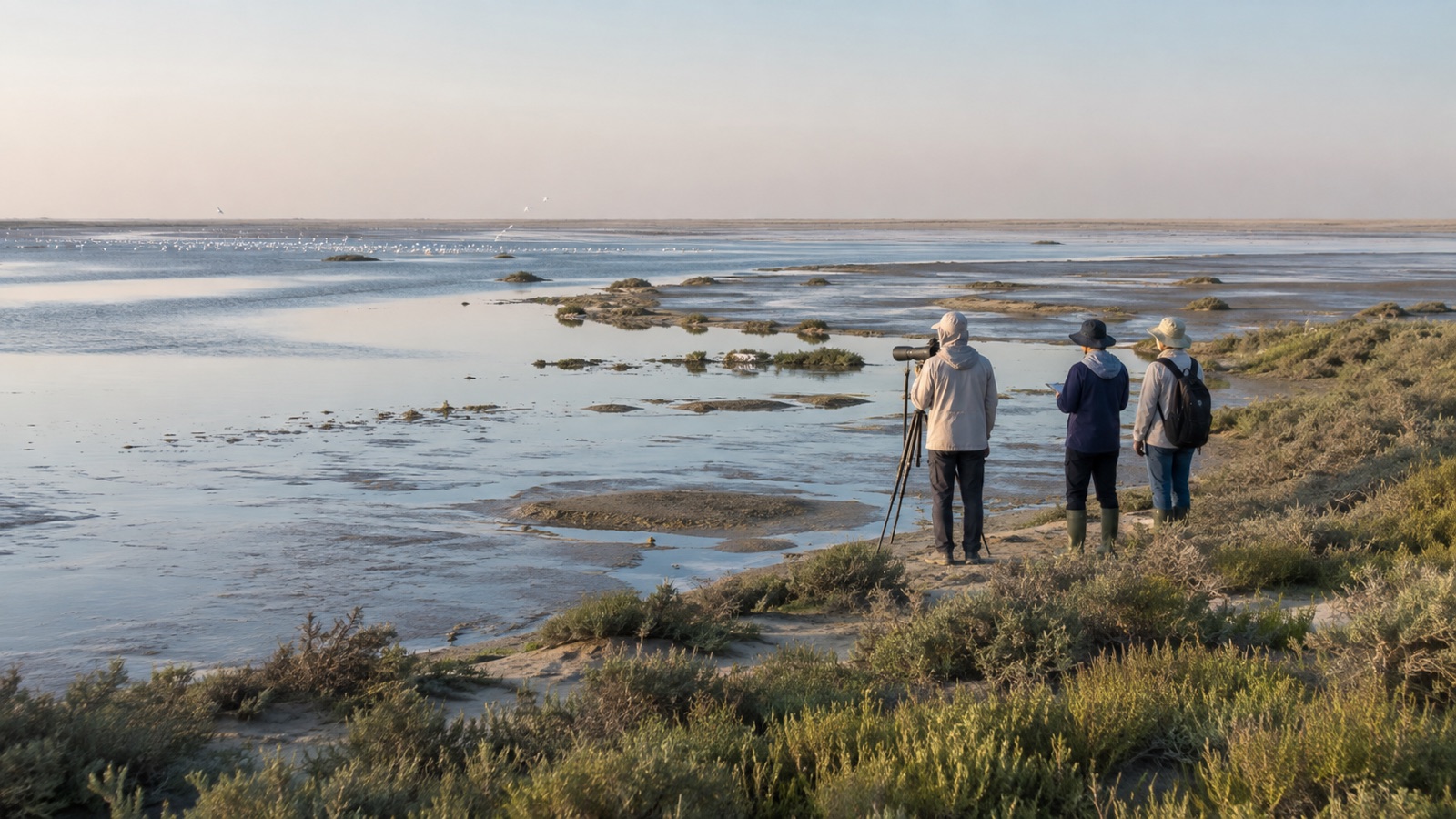
Environmental baseline and sensitivity assessment for a low-lying Gulf island environment.
View experience →
Environmental study supporting responsible planning in a sensitive Red Sea island setting.
View experience →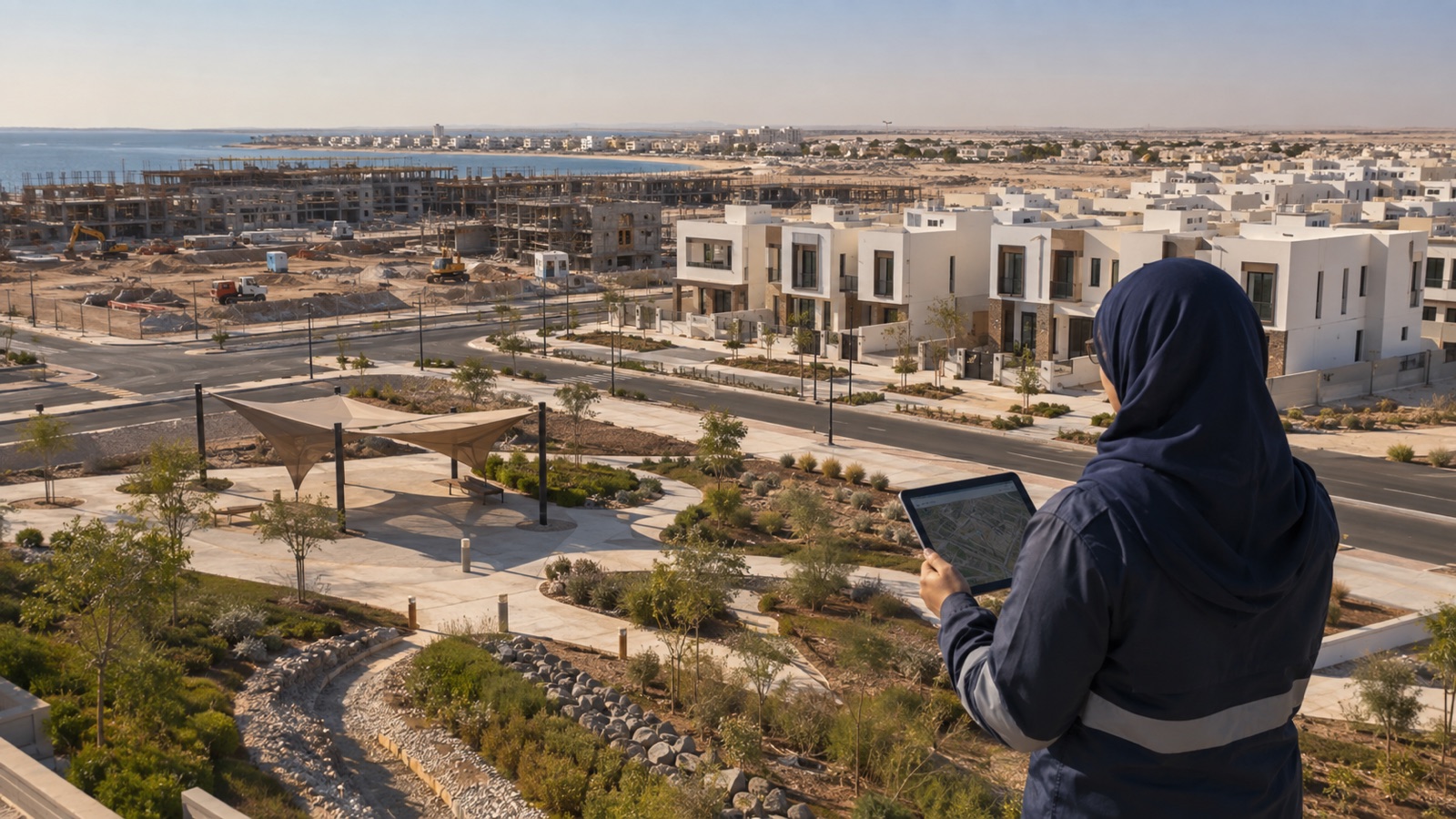
Environmental support for municipal and housing developments in Obhur, Jeddah and Al Shifa, Riyadh.
View experience →It depends on activity, scale, location, stage, environmental sensitivity and the competent authority’s classification. We begin with screening to identify the appropriate pathway.
EIA focuses on environmental components, while ESIA adds a structured assessment of relevant social impacts. The agreed scope and applicable requirements determine the appropriate level.
Not always. It depends on the decision, data quality and currency, and site sensitivity. Survey needs are defined after reviewing available evidence.
Yes, where they are current, reliable and relevant to the location and scope. We assess fitness for use first and identify only the necessary additions.
Relevant components can be included through appropriately qualified specialists and providers, subject to project needs, qualification scope and authority requirements.
We can support the technical package and responses, working with qualified entities where required. Acceptance and the final decision remain with the competent authority.
Timing depends on study type, seasonal surveys, data availability and review cycles. A clear programme is provided after scoping.
Yes. Arabic, English or bilingual outputs can be agreed according to the project need.
We agree data-sharing channels, access controls and disclosure boundaries, and do not publish client information or sensitive findings without clear permission.
The fee follows review of location, study type, specialist inputs, visits, measurements, deliverables and programme, with a clear scope and price issued before work begins.
Share the location, activity, stage, documents and deadline, and we will suggest a screening step and initial scope.